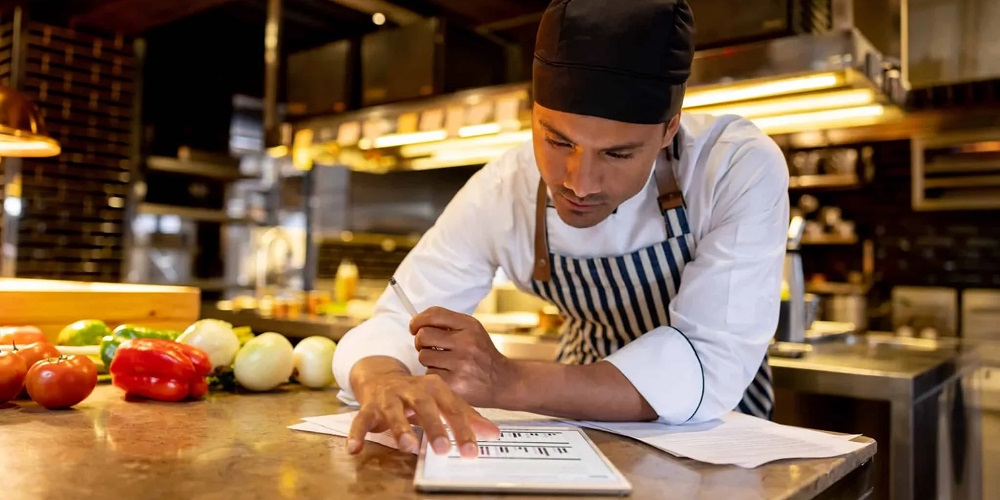
Running a restaurant successfully depends as much on disciplined cost control as it does on great food and service. Margins are often tight, and small inefficiencies quickly become expensive habits. The most effective operators focus on practical systems that reduce waste, improve purchasing decisions, and strengthen accountability across the team.
This guide explains proven restaurant cost-control strategies that deliver measurable results without compromising quality or guest experience.
Track Food Costs With Real-Time Inventory Discipline
Food cost is typically the largest controllable expense in a restaurant. The difference between profitable and struggling operations often comes down to how closely inventory is monitored.
Effective inventory control includes:
- Conducting weekly inventory counts at minimum
- Standardizing measurement units across recipes and storage
- Labeling and rotating stock using FIFO methods
- Tracking variances between theoretical and actual usage
Restaurants that move from monthly to weekly inventory checks often see immediate cost improvements because shrinkage becomes visible faster and corrective action happens sooner.
Consistency matters more than complexity. A simple system followed every week outperforms a sophisticated system used inconsistently.
Engineer the Menu for Profitability
Menu engineering is one of the fastest ways to improve margins without raising prices across the board.
Start by classifying menu items into four categories:
- High profit and high popularity items
- High profit but low popularity items
- Low profit but high popularity items
- Low profit and low popularity items
From there:
- Promote high-margin favorites prominently
- Reposition underperforming items
- Adjust portion sizes where appropriate
- Remove dishes that drain resources without adding value
Even small adjustments to layout, descriptions, or pricing structure can increase average ticket size without affecting guest satisfaction.
Control Portion Sizes Without Reducing Value
Portion inconsistency quietly erodes profits. Two cooks plating the same dish differently can create large hidden losses over time.
Solutions include:
- Using standardized serving tools
- Providing visual plating references
- Training staff during shift briefings
- Monitoring plate returns and waste levels
Guests respond positively to consistency. Standardized portions protect margins while maintaining trust.
Reduce Waste Through Smart Kitchen Processes
Waste reduction directly improves profitability without requiring higher sales volume.
Common waste-control practices include:
- Cross-utilizing ingredients across multiple dishes
- Tracking spoilage patterns weekly
- Preparing smaller batches more frequently
- Repurposing safe surplus ingredients creatively
Kitchen teams that track waste daily often identify patterns within weeks that lead to immediate savings.
Negotiate With Suppliers Strategically
Supplier relationships influence profitability more than many operators realize. Pricing differences across vendors can significantly impact margins over time.
Improve purchasing outcomes by:
- Comparing multiple supplier quotes quarterly
- Ordering in optimal volume ranges
- Consolidating vendors where possible
- Negotiating seasonal pricing agreements
Consistency in ordering patterns helps suppliers offer better terms and improves forecasting accuracy.
Monitor Labor Costs With Smarter Scheduling
Labor is usually the second-largest controllable expense after food cost.
Cost-effective scheduling depends on aligning staffing levels with demand patterns rather than habit or convenience.
Best practices include:
- Reviewing hourly sales data weekly
- Adjusting shift overlaps strategically
- Scheduling experienced staff during peak hours
- Cross-training employees for flexibility
Restaurants that schedule according to real demand instead of fixed templates typically reduce labor costs without affecting service quality.
Use Technology to Improve Cost Visibility
Modern restaurant tools provide valuable insight into purchasing trends, sales performance, and operational inefficiencies.
Helpful systems include:
- Inventory tracking software
- POS reporting dashboards
- Recipe costing platforms
- Waste-monitoring logs
Accurate data transforms decision-making from guesswork into strategy.
Standardize Recipes Across the Kitchen
Recipe variation leads directly to cost variation.
A standardized recipe system ensures:
- Consistent ingredient usage
- Predictable portion size
- Stable pricing structure
- Reliable guest experience
Documented recipes also make training easier and reduce dependency on individual staff habits.
Audit High-Cost Items More Frequently
Not every ingredient needs the same level of monitoring.
Focus extra attention on:
- Meat
- Seafood
- Dairy
- Imported ingredients
- Specialty sauces
Frequent checks on these items prevent losses that accumulate quickly but often go unnoticed.
Train Staff to Think Like Owners
Cost control improves dramatically when employees understand how their actions affect profitability.
Practical training topics include:
- Portion awareness
- Waste reduction responsibility
- Proper storage techniques
- Inventory handling procedures
When teams understand the financial impact of daily decisions, accountability improves naturally.
Review Pricing Strategy Regularly
Ingredient costs change frequently. Menu pricing should reflect those shifts.
Strong pricing strategies include:
- Reviewing supplier price changes monthly
- Adjusting menu pricing gradually instead of dramatically
- Highlighting premium-value dishes
- Testing bundled offerings
Small periodic adjustments protect margins better than large reactive increases.
Build a Weekly Cost-Control Routine
Consistency drives results. Restaurants that succeed with cost control usually follow a predictable weekly structure.
A simple weekly routine may include:
- Inventory count
- waste tracking review
- labor percentage check
- supplier invoice comparison
- menu performance evaluation
Regular reviews prevent problems from becoming expensive trends.
FAQ Section
What is the ideal food cost percentage for most restaurants
Most full-service restaurants aim for food costs between 28 percent and 35 percent of revenue, though this varies depending on concept type and pricing structure.
How often should restaurants perform inventory checks
Weekly inventory checks provide the best balance between accuracy and efficiency for most operations.
Can reducing portion size hurt customer satisfaction
Not when done correctly. Standardizing portions improves consistency and rarely affects guest perception if presentation remains strong.
What is the fastest way to reduce restaurant expenses
Improving inventory tracking and eliminating waste usually delivers the quickest measurable savings.
Should restaurants change suppliers frequently to save money
Switching suppliers too often can create instability. Comparing quotes regularly while maintaining strong relationships usually produces better long-term results.
How can small restaurants control costs without expensive software
Simple spreadsheets, labeled storage systems, standardized recipes, and weekly inventory routines can be highly effective without major investment.
Is menu engineering useful for small independent restaurants
Yes. Even a small menu benefits from analyzing item profitability and popularity to improve overall performance.
