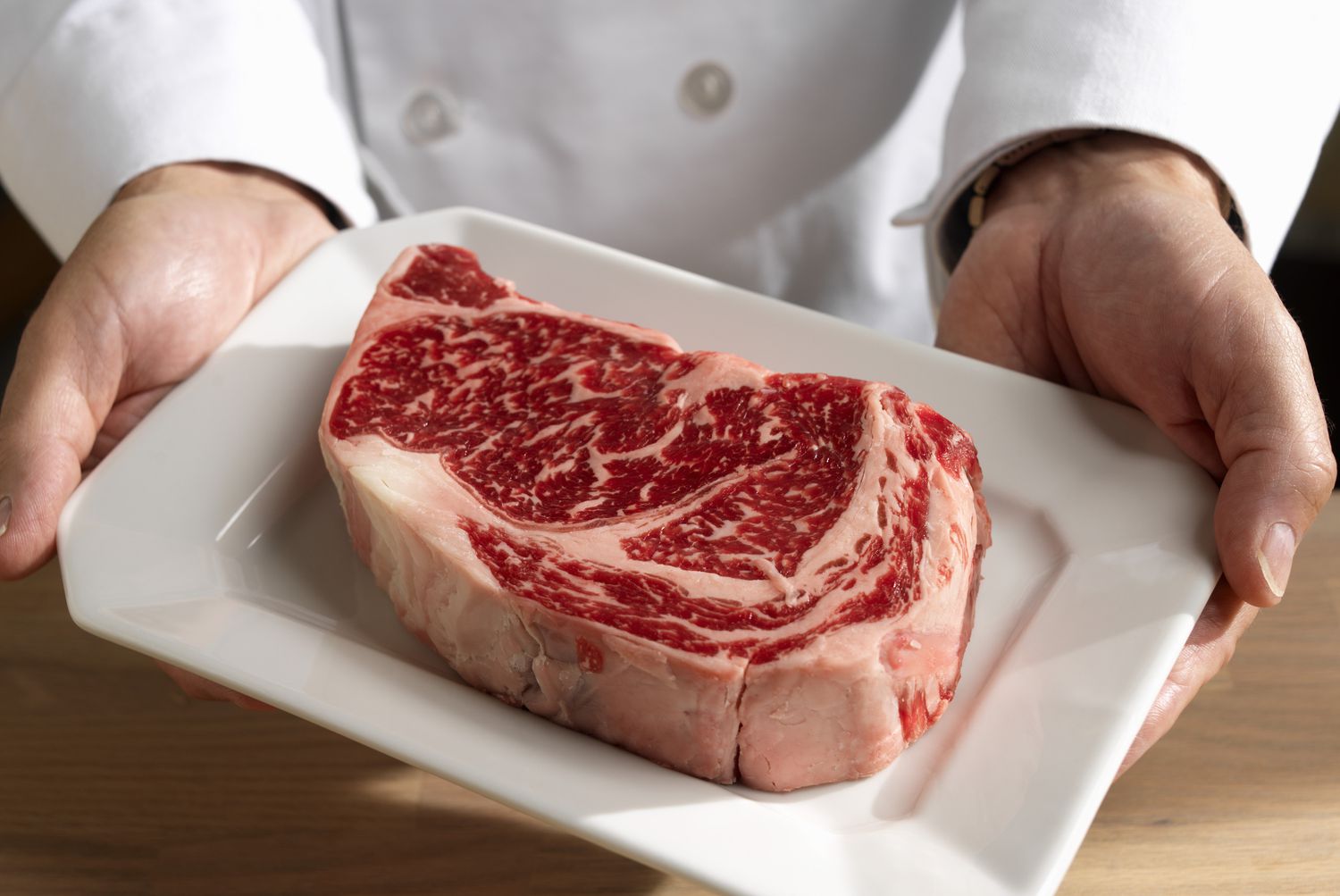
Put a lean sirloin and a heavily marbled ribeye into the same hot pan and they will not cook in the same way. The sirloin can lose its tenderness if left too long, whereas the fat running through the ribeye melts and gives the meat a richer, juicier texture. That difference should affect the heat, timing and amount of added fat you use.
When buying premium beef online, look closely at the product photographs as well as the cut and weight. Marbling refers to the small flecks and fine streaks of fat running through the muscle, not the thick strip around the outside of a steak. The amount and distribution of this internal fat influence how the beef browns, tastes and feels when eaten.
More marbling changes the heat
A heavily marbled steak often needs very little oil because it releases its own fat into the pan. Start with enough heat to brown the surface, then reduce it if a thick steak is darkening before the center is ready. The aim is to render some of the internal fat without burning the crust or filling the pan with smoke.
Lean beef gives the cook less room for error at the end of cooking. It can still produce an excellent crust, but leaving it over the heat for too long will not give the same rich texture as a marbled steak. A small amount of oil in the pan and careful checking of the center are more useful than simply following a fixed cooking time.
Marbling also changes the way beef behaves on a barbecue. Fat dripping onto charcoal or a gas burner can cause sudden flames, which may blacken the outside before the steak is ready. Keep a cooler section of the grill available so the beef can be moved away from direct flames and finished without scorching.
Marbling is not the whole story
A high level of marbling does not turn every cut into a steak. Chuck and short rib still contain connective tissue and usually need slower cooking, even when plenty of fat is visible inside the meat. The cut name tells you how the muscle should be cooked, and the marbling tells you more about the richness and texture you can expect.
Look for fine marbling spread through the meat rather than confusing it with one or two large seams of fat. Compare similar cuts at a similar thickness, since a thin ribeye and a thick ribeye will require different cooking times even if their marbling looks identical. Product origin, grading information and storage condition also help explain differences in price.
Heavily marbled beef can feel extremely rich, so smaller portions often work better than the serving size used for a lean steak. Simple seasoning lets the beef provide most of the flavor, and sharp or fresh side dishes can balance the fat. Leaner cuts are often better suited to fuller sauces, marinades or dishes where the meat is sliced and mixed with other ingredients.
Thaw frozen steak completely in the refrigerator, then dry the surface before it goes into the pan. Water left on the outside turns to steam and slows browning, regardless of how much marbling the meat contains. Rest the steak before slicing, then serve highly marbled beef while the rendered fat is still warm.
