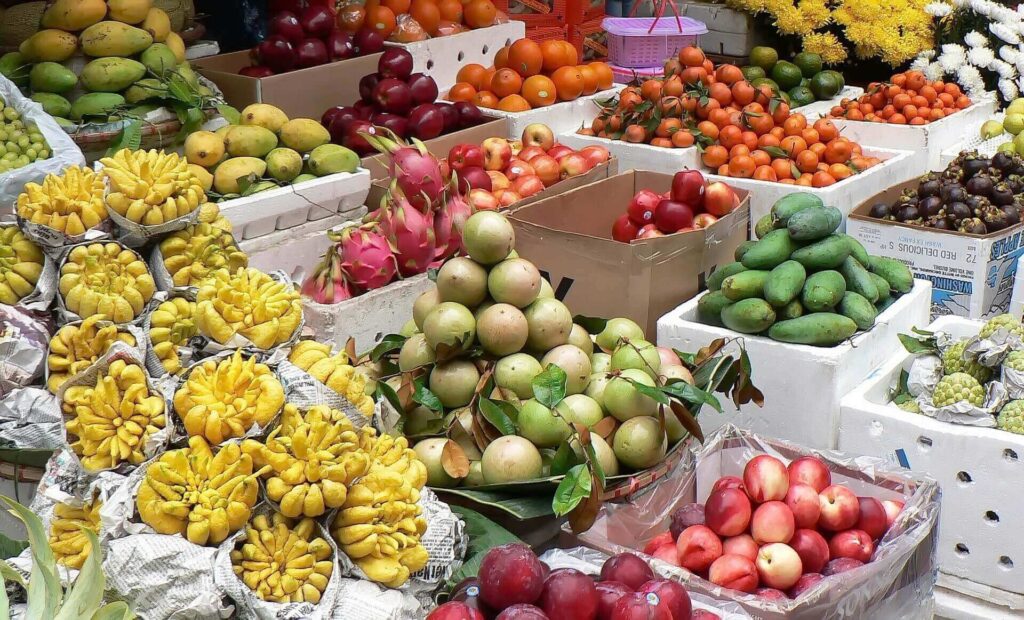
Thailand’s agricultural exports follow a rhythm set by the weather. Every season brings new opportunities for trade, with crops ripening at different times across the country. Importers who understand this cycle can plan purchases with better accuracy and reduce the risks that come from fluctuating supply. The timing of harvests shapes the entire export calendar, influencing everything from shipping schedules to pricing. For example, a Thai coconut exporter must track rainfall and regional yields to coordinate consistent supply throughout the year.
The tropical climate divides the country into two main growing periods. The dry season, from November to April, supports fruits like mango, pineapple, and longan, while the rainy season, stretching from May to October, benefits crops such as coconuts, rice, and durian. Exporters plan their logistics around these cycles, ensuring harvest-ready products are processed, packed, and shipped at peak freshness. This seasonal precision keeps Thailand competitive across international markets that demand consistent quality and timely delivery.
For many exporters, managing seasonality means understanding more than just weather patterns. They must anticipate how changes in temperature and rainfall affect both yield and quality. A shorter dry season, for example, can reduce sugar content in fruit, while extended rain may delay harvest and affect container scheduling. Successful exporters rely on long-term forecasting, working closely with farmers to adjust harvest plans before challenges arise.
How Weather Affects Export Planning
Different regions across Thailand experience slightly varied climates, giving exporters flexibility when conditions change. If southern farms face flooding, northern provinces can often supply the same crops later in the year. This diversity supports continuous trade even when the environment becomes unpredictable. Coordinating storage and transport becomes a round-the-clock operation during peak months, especially for products with short shelf lives.
Exporters also prepare months in advance by reserving warehouse space, booking refrigerated containers, and communicating with buyers about expected yield fluctuations. The use of real-time data helps predict output with increasing accuracy, improving overall supply chain efficiency.
Lessons from Coconut Exports
Coconuts illustrate how Thai exporters manage production across regions. Farms in the central and southern provinces harvest at slightly different times, allowing suppliers to maintain year-round availability. Exporters working in this segment invest heavily in cold-chain logistics and quality monitoring to preserve flavor during long shipments. These same methods are now being applied to other crops, helping to reduce spoilage and maintain freshness across multiple product lines.
Technology & Data
Advances in digital tracking have transformed how exporters respond to weather shifts. Tools that analyze satellite data, soil health, and temperature trends give businesses early insight into how each harvest will perform. This information shapes everything from export volume forecasts to warehouse planning. As global markets grow more competitive, data-driven preparation has become just as important as crop quality itself.
A Future Built on Adaptation
Thailand’s position as a major food exporter depends on its ability to adapt to nature’s changes. Exporters who combine technology, planning, and regional coordination are best equipped to manage unpredictable harvests. For importers, understanding this seasonal rhythm makes it easier to source from Thailand with confidence. Behind every shipment is a coordinated effort that blends natural timing with human expertise, ensuring the country’s produce reaches global markets at its freshest and most reliable.
