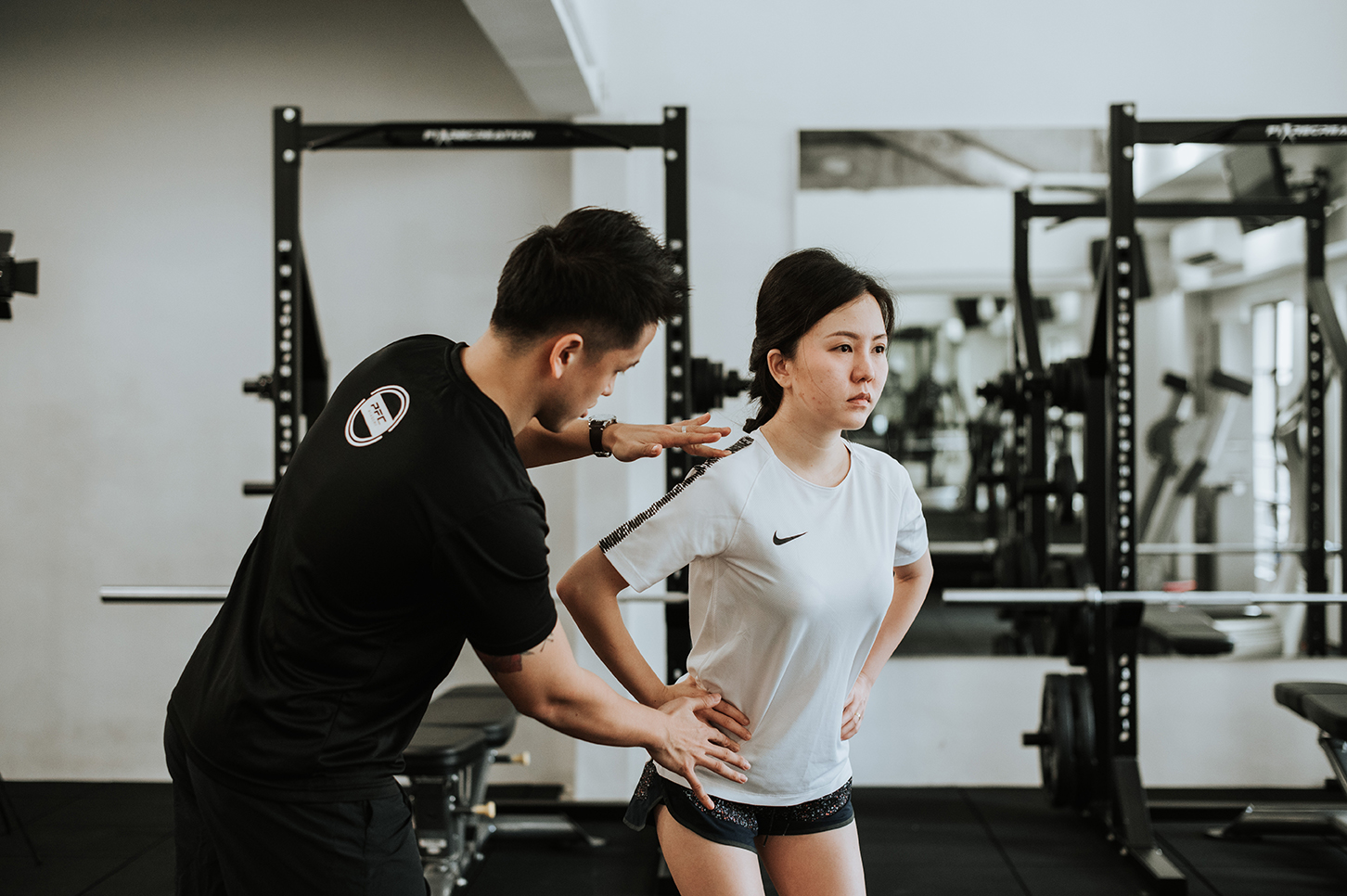
Nutrition timing is one of the most actionable and frequently misapplied components of a comprehensive training programme. The simplest dietary improvement many Singapore gym members can make is not changing what they eat but when they eat relative to their training. For members working with a gym trainer Singapore professional who integrates nutritional guidance into their coaching, meal timing around training blocks is a core part of the programme design conversation.
Understanding the physiological rationale behind meal timing recommendations transforms them from arbitrary rules into logical, adaptable principles that members can apply intelligently across Singapore’s varied food environment.
The Pre-Training Window: Fuelling Performance
The purpose of pre-training nutrition is to ensure that the body has adequate substrate to perform the training session at the intended intensity and to support the hormonal environment that maximises the training stimulus.
For moderate to high intensity training sessions lasting 45 minutes to 90 minutes, the primary nutritional considerations are:
Glycogen availability: Muscle glycogen, stored from carbohydrate intake, is the primary fuel for moderate to high intensity training. Beginning a session with adequate glycogen stores allows sustained performance, particularly through the high-intensity segments that produce the greatest training adaptation. Insufficient glycogen causes premature fatigue and compromises the quality of interval work.
Blood glucose stability: A moderate carbohydrate meal or snack consumed 60 to 90 minutes before training maintains blood glucose through the session without the digestive discomfort that eating immediately pre-training can cause.
Protein priming: Including protein in the pre-training meal begins the amino acid availability process early, so that circulating amino acids are available for muscle protein synthesis in the immediate post-exercise window.
Practical pre-training meal timing recommendations for Singapore members:
- Two to three hours before training: A complete mixed meal containing carbohydrate, moderate protein, and low fat. Steamed chicken rice without skin, yong tau foo with rice and protein selections, or a bowl of fish soup with bee hoon are well-calibrated hawker options.
- 60 to 90 minutes before training: A moderate carbohydrate snack. A banana, a small bowl of oatmeal, or a few slices of bread with a thin spread of peanut butter provide quick-access carbohydrates without heavy digestive load.
- 30 minutes or less before training: A very small, easily digestible carbohydrate source only. A piece of fruit or a small energy gel provides immediate blood glucose support without digestive interference.
The Post-Training Window: Supporting Recovery and Adaptation
The period immediately following a training session is characterised by specific physiological conditions that make nutritional input particularly impactful. Muscle cells are insulin-sensitive, meaning that glucose uptake is maximised. Muscle protein synthesis rates are elevated in response to the training stimulus. And glycogen resynthesis proceeds at its fastest rate in the first 30 to 60 minutes post-exercise.
Trainer-guided post-training nutrition targets two specific outcomes: initiating muscle protein synthesis and restoring glycogen to support recovery for subsequent sessions.
Protein intake target: 25 to 40 grams of high-quality protein within 60 minutes of session completion. For Singapore members, practical sources include eggs, lean chicken, fish, tofu, or a whey protein supplement. The specific source matters less than achieving the total protein target.
Carbohydrate intake target: 40 to 80 grams of carbohydrate, with the higher end appropriate for members with back-to-back training sessions or high-volume training days who need rapid glycogen restoration.
Singapore’s hawker environment provides excellent post-training meal options when selected with awareness of these targets. Sliced fish soup with a double rice serve, steamed chicken breast rice, or yong tau foo with a generous protein selection and rice all provide the protein and carbohydrate combination that post-training recovery requires.
How Meal Timing Differs Across Training Block Types
Experienced Singapore trainers adjust meal timing guidance based on the nature of the training block, not just the individual session.
During strength-building blocks, the emphasis is on total daily protein distribution and ensuring adequate caloric intake to support muscle protein synthesis. Meal timing around sessions matters but is secondary to the total daily intake targets being met.
During fat loss phases, meal timing takes on greater strategic importance. Training on the higher end of available fuel and maintaining the post-training nutritional window while managing overall caloric intake requires more precise timing management to prevent muscle loss during caloric restriction.
During high-volume conditioning blocks, carbohydrate timing is most critical. Multiple sessions per day or back-to-back high-intensity days require rapid glycogen restoration between sessions, making the immediate post-session carbohydrate window genuinely time-sensitive.
During competition preparation or performance peaks, all timing variables are optimised simultaneously to ensure that the athlete or serious fitness member performs at their best during the target event or assessment period.
Common Meal Timing Mistakes Singapore Members Make
Several meal timing errors are consistently observed among Singapore gym members and addressed by trainers who integrate nutritional guidance into their programmes.
Training fasted unnecessarily: Many members skip pre-training nutrition based on a general belief that fasted training burns more fat. For moderate to high intensity training sessions, the performance compromise from inadequate glycogen reduces the training stimulus and adaptation, producing worse fat loss outcomes despite the increased fat oxidation proportion during the session.
Neglecting the post-training window: Singapore’s food court and hawker meal culture means that post-training eating often happens whenever the next meal opportunity arises rather than within the optimal recovery window. Members who eat dinner two to three hours after their training session rather than within 60 minutes are missing the most impactful nutritional recovery window.
High-fat pre-training meals: Singapore’s food culture includes many high-fat hawker options. Consuming a high-fat meal within 90 minutes of training slows gastric emptying, delays carbohydrate availability, and often causes digestive discomfort during the session.
FAQ
Does meal timing matter as much as total daily nutrition?
For most members, total daily intake of protein, carbohydrates, and calories is more important than timing precision. However, for members who are training consistently and have their daily intake broadly correct, timing optimisation is the most accessible next performance lever. Both matter, and timing becomes more impactful as total intake is already well-managed.
Should I eat differently on rest days versus training days?
Yes, as a general principle. Training days benefit from higher carbohydrate intake to fuel performance and support glycogen restoration. Rest days can sustain lower carbohydrate intake with maintained protein levels. This training-rest day cycling aligns fuel availability with demand and can support body composition goals alongside performance.
How does Singapore’s heat affect nutritional timing recommendations?
Heat increases fluid and electrolyte losses, which affects how pre-training hydration is managed. The basic macronutrient timing principles remain the same, but fluid and electrolyte consumption in the pre-training period is more critical in Singapore’s climate than in temperate environments.
Can I take a protein supplement immediately post-training if I cannot eat a full meal right away?
Yes. A whey protein supplement consumed immediately post-training provides the amino acid availability needed to initiate muscle protein synthesis in the critical window, even if the full carbohydrate-containing recovery meal is taken an hour or two later. This is a practical solution for members who train in environments where immediate food access is limited.
TFX Singapore trainers incorporate meal timing guidance as a standard component of their programme delivery, helping members understand how to structure their nutrition around their training schedule to maximise the adaptation from every session.
