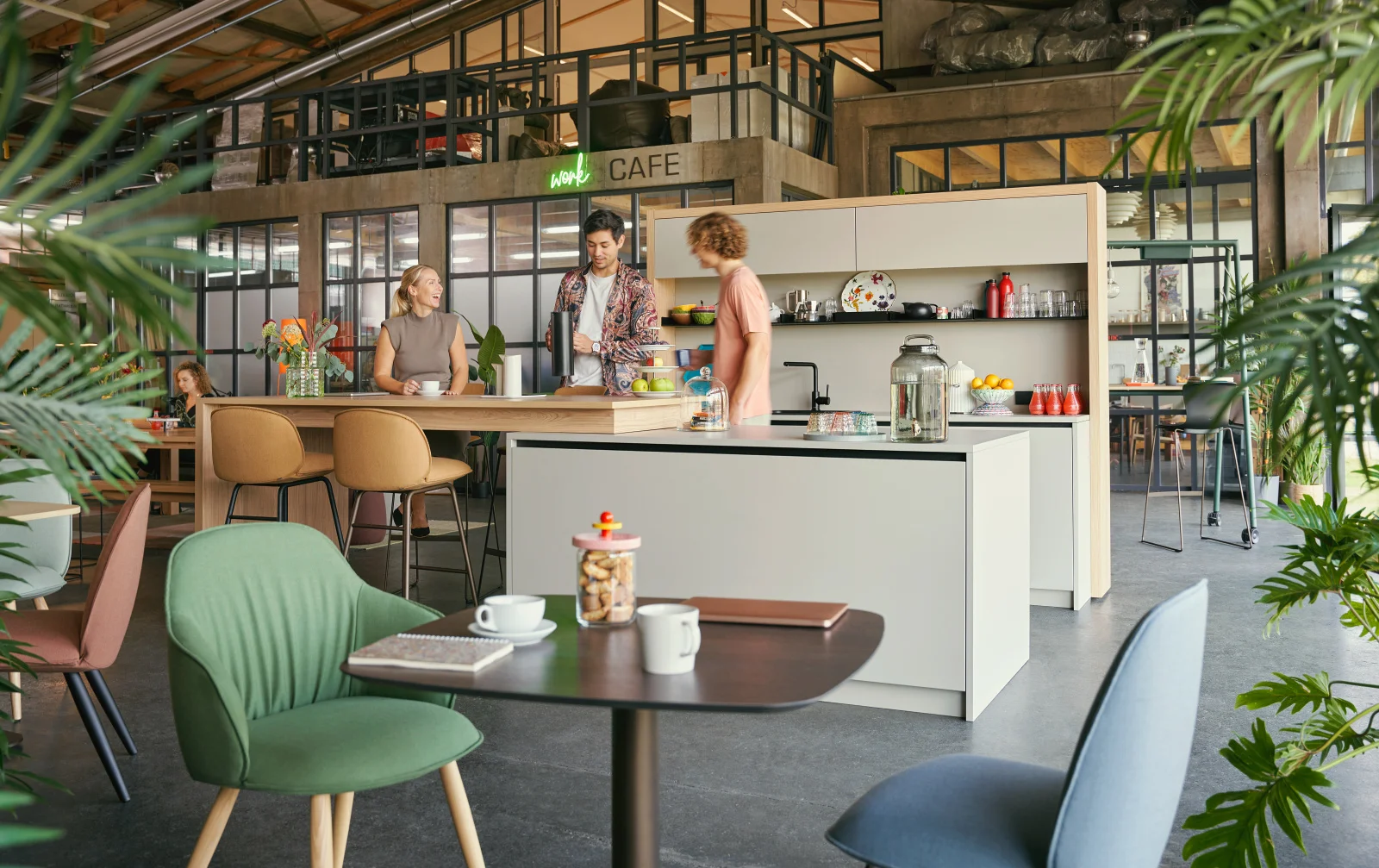
Introduction to Multi Purpose Cafe Bar Spaces
Modern cafe bars are no longer limited to serving beverages. They are evolving into dynamic environments where guests can work, socialize, relax, and attend small gatherings within the same setting. Designing multi purpose spaces inside cafe bars allows owners to maximize floor efficiency while improving customer experience across different times of the day.
A thoughtfully structured layout ensures that a cafe bar remains functional from early morning coffee hours to late evening social sessions. This flexibility increases visitor retention and strengthens brand identity.
Why Multi Purpose Design Matters in Cafe Bars
A multi purpose cafe bar adapts to changing customer needs without requiring structural changes throughout the day. Instead of serving a single audience segment, it accommodates students, professionals, families, and social groups.
Key benefits include:
- Increased customer dwell time
- Higher seating utilization throughout the day
- Greater revenue opportunities from diverse services
- Stronger community engagement
- Improved brand positioning as a lifestyle destination
These advantages help cafe bars remain competitive in modern hospitality environments.
Zoning Strategies for Functional Layout Planning
Creating zones inside a cafe bar allows different activities to happen simultaneously without disturbance.
Important zoning areas include:
Work Friendly Zones
Quiet seating corners support remote workers and students. These areas should include:
- Comfortable chairs with back support
- Charging points near tables
- Stable lighting suitable for reading
- Minimal background noise
Such features encourage longer daytime visits.
Social Interaction Zones
These spaces allow casual conversations and group seating. Designers typically include:
- Sofas or cushioned benches
- Flexible table arrangements
- Warm lighting tones
- Easy movement between seating clusters
This layout encourages relaxed social interaction.
Bar Counter Activity Zones
Bar counters function as quick service points and evening engagement hubs.
They provide:
- Efficient drink service
- Visual energy within the space
- Opportunities for solo visitors to sit comfortably
- Interaction between guests and staff
Counters often become focal points during peak hours.
Flexible Furniture for Space Transformation
Furniture selection plays a major role in creating adaptable cafe bar interiors. Movable elements allow quick layout changes depending on the time of day or event requirements.
Recommended furniture choices include:
- Stackable chairs for quick rearrangement
- Foldable tables for event conversion
- Modular sofa units
- Lightweight partitions for temporary separation
- Adjustable height seating options
Flexible furniture supports both individual visitors and group bookings without disrupting operations.
Lighting Design for Multi Purpose Functionality
Lighting influences how customers interact with a space throughout the day. Layered lighting helps cafe bars transition smoothly between daytime productivity and evening relaxation.
Effective lighting layers include:
Ambient Lighting
Provides overall illumination across the space and maintains visual comfort.
Task Lighting
Supports reading, laptop usage, and table dining activities.
Accent Lighting
Highlights artwork, shelves, and bar counters to create atmosphere during evening hours.
Balanced lighting ensures the environment remains welcoming across multiple functions.
Integrating Technology Into Multi Purpose Layouts
Technology enhances usability and customer satisfaction in hybrid cafe bar environments.
Essential integrations include:
- Charging ports near seating areas
- Reliable high speed internet connectivity
- Digital ordering systems
- Smart lighting controls
- Compact sound zoning systems
These elements improve operational efficiency and support modern customer expectations.
Creating Event Friendly Corners Within Cafe Bars
Small event spaces inside cafe bars increase revenue opportunities while strengthening community presence.
Event friendly areas can support:
- Book readings
- Open mic evenings
- Small workshops
- Networking sessions
- Private group gatherings
Designers often include movable seating clusters and subtle acoustic adjustments to support such activities without disturbing other guests.
Acoustic Planning for Shared Environments
Noise control is essential when multiple activities occur within one location. Without proper acoustic planning, spaces quickly become uncomfortable.
Effective acoustic solutions include:
- Upholstered seating materials
- Wall mounted sound absorbing panels
- Fabric curtains
- Indoor plants as natural buffers
- Strategic speaker placement
Balanced sound levels maintain comfort across different seating zones.
Storage Solutions That Support Flexible Layouts
Hidden storage ensures smooth layout transitions without cluttering the interior.
Practical storage strategies include:
- Under bench compartments
- Wall mounted shelves
- Foldable furniture storage zones
- Mobile service carts
- Integrated counter storage units
Efficient storage supports quick space reconfiguration for changing needs.
Maintaining Visual Consistency Across Multiple Zones
Even with several functional zones, the cafe bar should feel unified. Consistent materials, color palettes, and design themes create harmony across the environment.
Interior consistency can be achieved through:
- Matching furniture finishes
- Repeating lighting styles
- Coordinated wall textures
- Balanced decorative elements
A cohesive visual identity strengthens the overall customer impression.
Conclusion
Designing multi purpose spaces inside cafe bars allows owners to serve diverse customer needs within a single adaptable environment. Through thoughtful zoning, flexible furniture selection, layered lighting strategies, and integrated technology, cafe bars can transform into dynamic social hubs that remain active throughout the day. A well planned multi functional layout enhances customer comfort, increases operational efficiency, and supports long term business growth.
Frequently Asked Questions
What is the ideal seating ratio for multi purpose cafe bar layouts
A balanced layout usually includes a mix of individual seating, group tables, and counter seating so that different visitor types can comfortably use the space at the same time.
How can small cafe bars create multi purpose interiors
Small spaces benefit from modular furniture, foldable tables, and vertical storage solutions that allow quick layout adjustments without requiring additional floor area.
Should cafe bars separate work zones from social zones
Yes, subtle separation using lighting differences, furniture arrangement, or decorative partitions helps maintain comfort without isolating sections completely.
How important is flooring selection in flexible cafe bar spaces
Durable and neutral flooring supports frequent layout changes while maintaining visual continuity across different seating areas.
Can outdoor seating be included in multi purpose planning
Outdoor areas can function as additional workspaces during the day and social seating zones in the evening when designed with weather resistant furniture and proper lighting.
What role does staff movement planning play in layout design
Efficient staff circulation paths improve service speed and reduce congestion between customer seating zones.
How often should cafe bar layouts be updated or refreshed
Minor adjustments can be introduced seasonally, while larger layout upgrades are typically planned every few years to reflect changing customer expectations and design trends.
