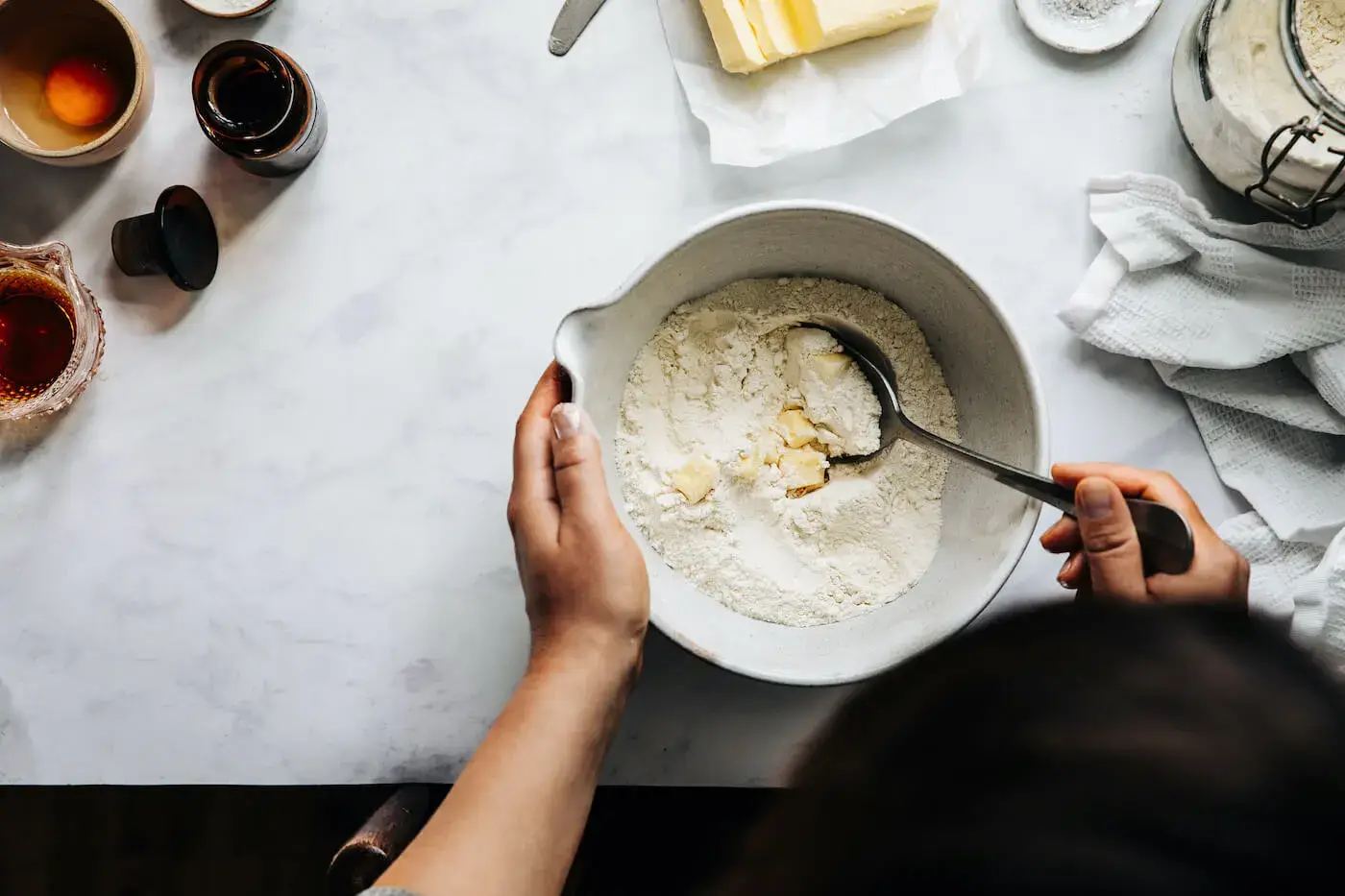
Flour is the backbone of most baked goods. From airy cakes to chewy bread and flaky pastries, the type of flour used plays a decisive role in structure, texture, flavor, and overall success. Understanding how different flours behave allows bakers to control outcomes with confidence rather than relying on trial and error.
Each flour type differs primarily in protein content, milling style, and grain composition. These characteristics influence gluten formation, moisture absorption, and crumb texture. Choosing the correct flour ensures consistency and improves baking performance across recipes.
Why Flour Type Matters in Baking
Flour contributes more than bulk. It determines how dough develops, how batter spreads, and how baked goods hold shape during cooking.
Key influences include:
- Gluten strength and elasticity
- Moisture absorption capacity
- Texture softness or chewiness
- Browning behavior during baking
- Flavor complexity
Higher protein flour forms stronger gluten networks, which support structure. Lower protein flour produces tender, delicate crumbs suitable for cakes and pastries.
Understanding Protein Content in Flour
Protein percentage is the most important factor distinguishing flour types. When mixed with water, flour proteins form gluten, which traps air and provides structure.
General protein ranges:
- Cake flour: 7 to 9 percent
- Pastry flour: 8 to 10 percent
- All-purpose flour: 10 to 12 percent
- Bread flour: 12 to 14 percent
- Whole wheat flour: about 13 to 15 percent
Higher protein creates elasticity. Lower protein creates softness.
All-Purpose Flour
All-purpose flour is the most versatile option in home baking. It balances strength and tenderness, making it suitable for a wide range of recipes.
Best uses:
- Cookies
- Muffins
- Pancakes
- Quick breads
- Basic cakes
Because it sits in the middle of the protein spectrum, it adapts easily to many baking needs. However, specialty flours often produce better results in precision baking.
Bread Flour
Bread flour contains more protein than most other wheat flours. This leads to stronger gluten formation and improved elasticity.
Ideal for:
- Artisan bread
- Sandwich loaves
- Pizza dough
- Bagels
- Dinner rolls
The higher gluten strength helps trap gas produced by yeast, resulting in a chewy texture and structured crumb.
Cake Flour
Cake flour is milled very finely and contains the lowest protein content among wheat flours used in baking. This produces exceptionally tender baked goods.
Best suited for:
- Sponge cakes
- Cupcakes
- Layer cakes
- Angel food cakes
Its fine structure allows batter to absorb moisture evenly, improving softness and volume.
Pastry Flour
Pastry flour falls between cake flour and all-purpose flour in protein content. It creates delicate textures without sacrificing structure entirely.
Common uses include:
- Pie crusts
- Tarts
- Biscuits
- Scones
This flour helps achieve flakiness while maintaining shape during baking.
Whole Wheat Flour
Whole wheat flour contains the bran, germ, and endosperm of the grain. This increases nutritional value but also affects texture and moisture absorption.
Characteristics include:
- Denser crumb structure
- Stronger flavor profile
- Higher fiber content
- Increased liquid absorption
Many bakers combine whole wheat flour with all-purpose flour to maintain softness while improving nutrition.
Self-Rising Flour
Self-rising flour already contains baking powder and salt. It simplifies recipes that rely on chemical leavening rather than yeast.
Best for:
- Biscuits
- Pancakes
- Quick breads
Because it includes pre-measured leavening agents, recipe adjustments must be handled carefully.
Specialty Flours in Modern Baking
Alternative flours are increasingly popular due to dietary preferences and flavor experimentation.
Examples include:
- Almond flour for moisture-rich gluten-free baking
- Oat flour for soft texture and mild flavor
- Rice flour for crisp coatings and gluten-free blends
- Coconut flour for high fiber baking
These flours behave differently from wheat flour and usually perform best when combined with binding ingredients.
How Flour Choice Affects Texture and Structure
Flour influences baking outcomes in predictable ways.
Higher protein flour results in:
- Chewier crumb
- Stronger structure
- Better yeast fermentation support
Lower protein flour produces:
- Softer crumb
- Reduced gluten formation
- Improved tenderness
Matching flour type with recipe intention ensures reliable texture.
Tips for Choosing the Right Flour
Selecting flour becomes easier with a few guiding principles.
Consider the following:
- Use bread flour for yeast-based recipes
- Use cake flour for soft layered desserts
- Use pastry flour for flaky crusts
- Use all-purpose flour for general baking
- Blend whole wheat flour gradually into recipes
Small adjustments often produce noticeable improvements in finished results.
Proper Storage of Flour for Best Baking Results
Flour quality declines when exposed to heat, air, or moisture.
Storage recommendations:
- Keep flour in airtight containers
- Store in a cool environment
- Refrigerate whole grain flours for longer shelf life
- Avoid exposure to direct sunlight
Proper storage preserves flavor and prevents spoilage.
FAQ Section
Can I substitute all-purpose flour for bread flour
Yes. However, bread made with all-purpose flour may have slightly less chewiness and structure compared to bread flour.
Why does cake flour produce softer cakes
Cake flour contains lower protein and is finely milled, which limits gluten formation and improves tenderness.
Is whole wheat flour healthier than white flour
Whole wheat flour retains bran and germ layers, making it richer in fiber, vitamins, and minerals.
Can different flours be mixed together
Yes. Combining flours often balances texture, flavor, and nutrition in baking recipes.
Does flour type affect baking time
Flour type mainly affects structure and moisture absorption, but indirect changes in density can slightly influence baking time.
How long can flour be stored safely
Refined flour typically lasts several months in airtight storage, while whole grain flour should be refrigerated for extended freshness.
What happens if I use the wrong flour in a recipe
Using the wrong flour can change texture, rise, chewiness, and moisture balance, sometimes leading to dense or fragile baked goods.
