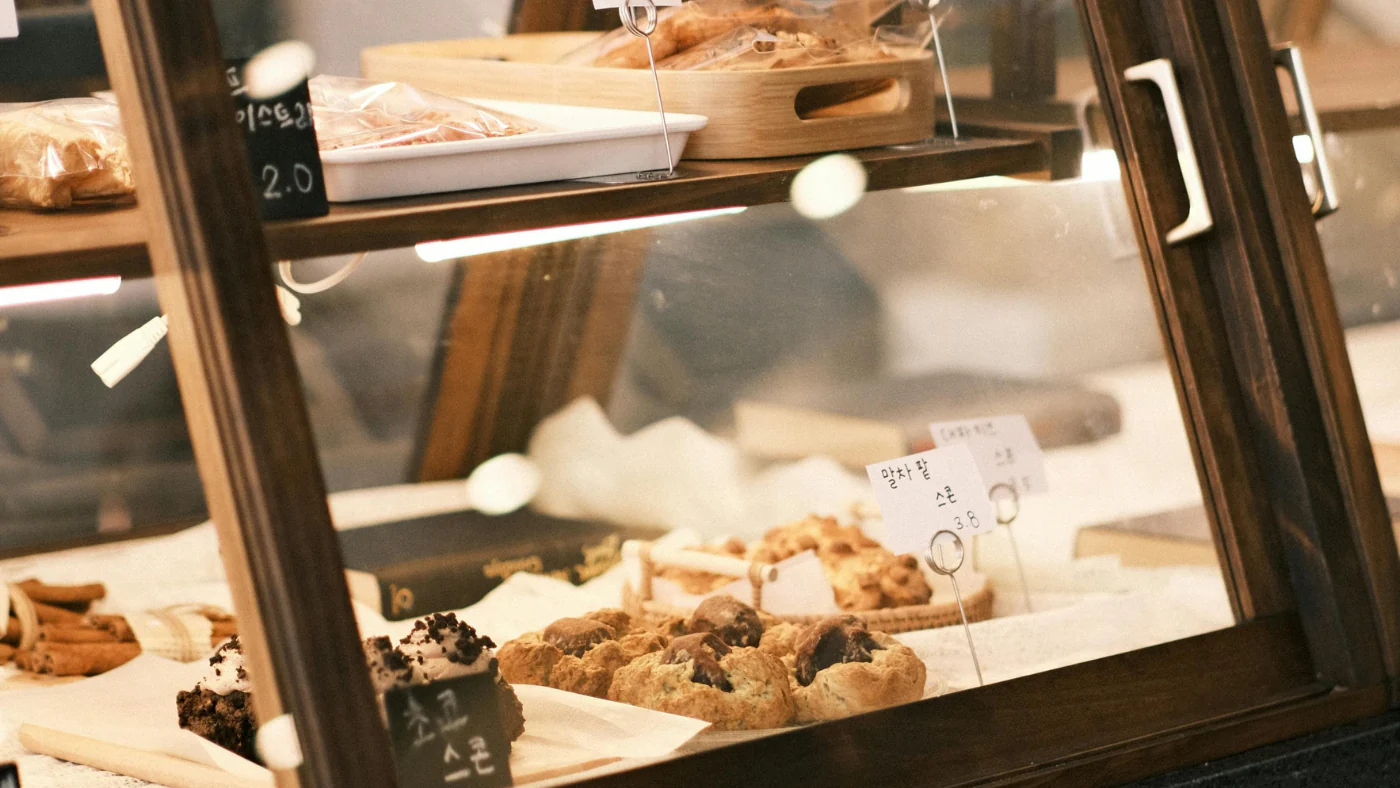
Fresh bakery products are loved for their softness, aroma, and flavor. However, their shelf life is often limited due to moisture loss, microbial growth, and oxidation. Fortunately, several natural techniques can significantly extend freshness without relying on synthetic preservatives. By choosing the right ingredients, storage practices, and preparation methods, bakers can maintain product quality for longer periods while keeping labels clean and consumer-friendly.
Why Bakery Products Spoil Quickly
Bakery products deteriorate mainly because of three factors:
- Moisture migration that causes staling
- Growth of mold and bacteria
- Oxidation of fats leading to rancidity
Understanding these factors helps identify the most effective natural preservation strategies.
Use Natural Preservative Ingredients
Certain natural ingredients help slow microbial activity and moisture loss while improving flavor and texture.
Honey
Honey acts as a natural humectant and antimicrobial agent. It helps retain moisture in cakes and breads and inhibits mold growth.
Benefits include:
- Improved softness
- Longer freshness retention
- Enhanced flavor profile
Vinegar
Adding small amounts of vinegar to dough:
- Reduces microbial growth
- Strengthens gluten structure
- Improves dough stability
It is especially useful in bread recipes.
Lemon Juice
Lemon juice lowers pH levels in baked goods, making the environment less suitable for spoilage organisms.
It works well in:
- Cakes
- Muffins
- Quick breads
Whole Grain Flour
Whole grains contain natural oils and fiber that help retain moisture longer than refined flour.
They also improve nutritional value.
Control Moisture Content Carefully
Moisture plays a major role in shelf stability.
To manage moisture effectively:
- Avoid underbaking products
- Prevent excessive drying during baking
- Use ingredients that retain water naturally
Balanced hydration helps delay staling without encouraging mold growth.
Choose Natural Fats That Improve Shelf Life
Healthy fats slow down the staling process by coating starch molecules and maintaining softness.
Recommended options include:
- Butter
- Coconut oil
- Olive oil
- Milk solids
These fats preserve texture while improving flavor quality.
Use Preferments and Fermentation Techniques
Natural fermentation enhances both shelf life and digestibility.
Sourdough Starter
Sourdough contains natural organic acids that:
- Slow mold formation
- Improve flavor complexity
- Extend freshness naturally
Sponge and Poolish Methods
These traditional pre-fermentation techniques:
- Strengthen dough structure
- Improve moisture retention
- Increase shelf stability
They are widely used in artisan baking.
Store Bakery Products Properly
Correct storage plays a critical role in maintaining freshness.
Best practices include:
- Cooling products completely before storage
- Using breathable wrapping for crusty breads
- Using airtight containers for soft baked goods
- Keeping items away from direct sunlight
Improper storage often shortens shelf life more than formulation issues.
Use Natural Packaging Methods
Packaging materials influence moisture retention and microbial growth.
Effective natural options include:
Parchment Paper
Allows airflow while protecting against contamination.
Suitable for:
- Cakes
- Muffins
- Cookies
Cloth Bread Bags
Ideal for artisan bread storage because they balance humidity and airflow.
Wax Paper Wrapping
Helps maintain freshness without trapping excess moisture.
Maintain Clean Baking Environments
Sanitation reduces the introduction of mold spores and bacteria during production.
Important practices include:
- Cleaning work surfaces thoroughly
- Using dry storage containers
- Avoiding cross-contamination
- Washing hands frequently during preparation
Clean handling extends product life naturally.
Adjust Sugar and Salt Levels Strategically
Sugar and salt are traditional natural preservatives.
They work by reducing water activity in baked goods.
Applications include:
- Increasing sugar slightly in cakes
- Adjusting salt levels in bread formulations
- Balancing sweetness without affecting taste negatively
Proper formulation improves stability without compromising quality.
Use Natural Enzymes from Ingredients
Some ingredients naturally contain enzymes that improve softness retention.
Examples include:
- Malt flour
- Yogurt
- Milk
These ingredients slow staling while enhancing structure and flavor.
Cool Products Before Packaging
Packaging warm baked goods traps condensation and promotes mold growth.
Instead:
- Allow products to cool fully
- Store in moisture-appropriate packaging
- Avoid stacking while warm
This simple step significantly increases shelf life.
FAQs
How does sourdough extend the shelf life of bread naturally
Sourdough produces organic acids during fermentation that inhibit mold growth and slow staling, keeping bread fresh longer than conventional yeast bread.
Can refrigeration increase the shelf life of bakery products
Refrigeration can extend shelf life for some items like cream-filled pastries but may accelerate staling in breads due to starch retrogradation.
Is freezing a natural way to preserve baked goods
Yes, freezing preserves freshness without preservatives and works well for bread, cakes, and muffins when wrapped properly.
Which natural ingredient works best for preventing mold growth
Honey and vinegar are among the most effective natural ingredients for slowing mold development in bakery products.
Does packaging affect shelf life significantly
Yes, appropriate breathable or airtight packaging depending on product type plays a major role in moisture control and spoilage prevention.
Can whole grain products last longer than refined flour products
Whole grain baked goods often retain moisture better, which can delay staling when stored correctly.
How does controlling kitchen humidity help preserve bakery items
Lower humidity reduces mold growth risk and helps maintain crust texture and product freshness during storage.
