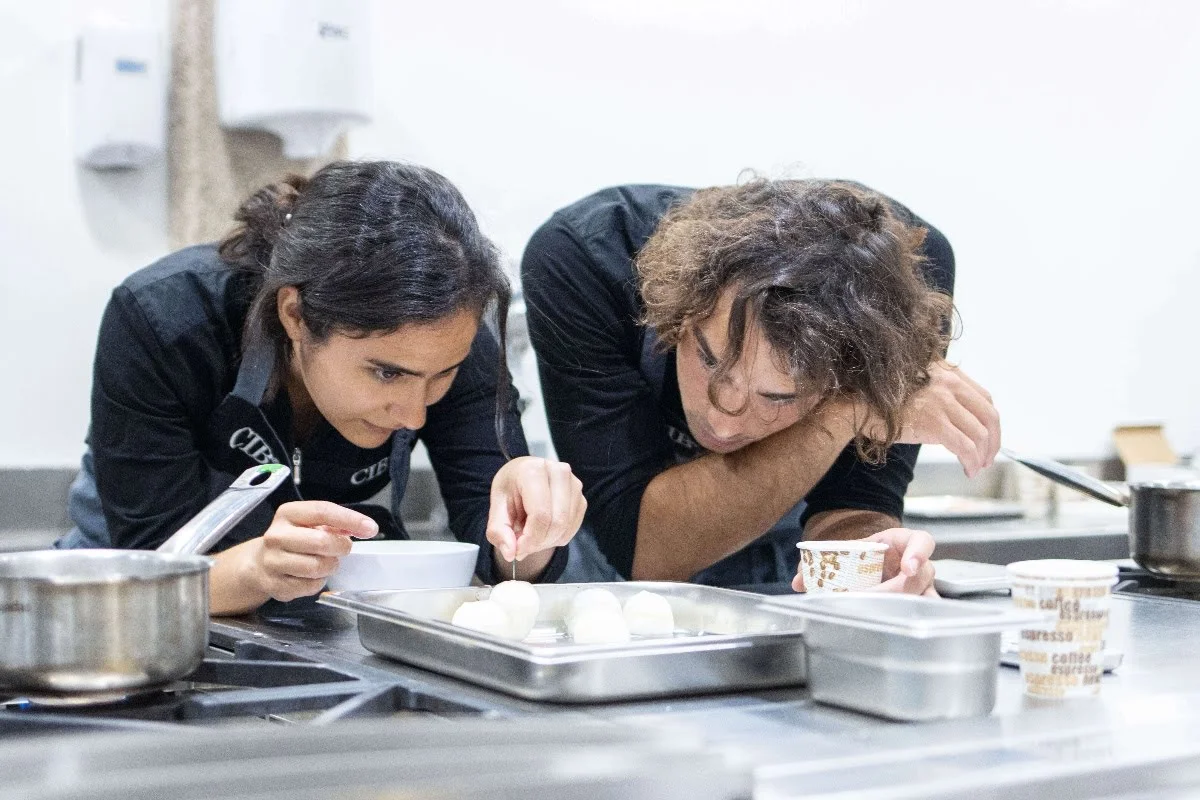
In professional kitchens, chefs operate in a space where imagination meets discipline. Guests expect memorable flavors and artistic presentation, but they also expect the same quality every time they return. The ability to balance creativity with consistency is what separates a competent cook from a respected chef.
This balance is not accidental. It is the result of structure, training, repetition, and thoughtful experimentation. Understanding how chefs maintain this equilibrium reveals the true craft behind great cuisine.
Why Creativity Matters in Professional Cooking
Creativity allows chefs to express identity through food. It transforms simple ingredients into experiences that guests remember long after the meal ends.
Creative cooking helps chefs:
- Develop signature dishes that define their brand
- Adapt menus to seasonal ingredients
- Respond to changing customer preferences
- Stay competitive in a crowded dining market
- Explore cultural influences and modern techniques
Without creativity, menus become predictable and uninspiring. However, creativity alone cannot sustain a professional kitchen.
Why Consistency Is Essential in Restaurants
Consistency builds trust between the kitchen and its guests. When diners return, they expect the same taste, presentation, and portion size they enjoyed before.
Consistency ensures:
- Reliable customer satisfaction
- Strong restaurant reputation
- Efficient kitchen workflow
- Accurate cost control
- Smooth teamwork during service hours
In high-pressure environments, consistency also keeps operations predictable and manageable.
The Role of Standardized Recipes
Standardized recipes are the backbone of consistent cooking. They ensure that every dish meets expectations regardless of which team member prepares it.
These recipes typically include:
- Exact ingredient measurements
- Step-by-step preparation methods
- Cooking temperatures and timings
- Plating instructions
- Portion sizes
While recipes create structure, chefs still leave room for refinement during testing and development phases.
Structured Creativity Through Menu Development
Creativity in professional kitchens rarely happens during busy service hours. Instead, it takes place during research and development sessions.
Chefs often:
- Test multiple ingredient combinations
- Experiment with textures and techniques
- Adjust seasoning levels repeatedly
- Evaluate visual presentation carefully
- Gather feedback from kitchen teams
Once finalized, creative dishes become standardized to maintain reliability during daily service.
Training the Kitchen Team for Consistent Execution
Consistency depends heavily on teamwork. Even the most creative chef cannot maintain standards without a well-trained kitchen brigade.
Professional kitchens maintain quality through:
- Regular staff training sessions
- Demonstrations by senior chefs
- Visual plating references
- Taste calibration exercises
- Clear communication during service
This structured training allows creativity to flourish without compromising reliability.
Using Seasonal Ingredients Without Losing Stability
Seasonal ingredients inspire innovation, but they can also introduce variability. Skilled chefs adapt their recipes while protecting the identity of each dish.
They achieve this by:
- Selecting substitute ingredients with similar flavor profiles
- Adjusting cooking techniques when needed
- Modifying garnishes instead of core components
- Updating menus gradually rather than abruptly
This approach keeps dishes fresh while maintaining familiarity for returning guests.
The Importance of Mise en Place in Maintaining Balance
Mise en place refers to preparing and organizing ingredients before cooking begins. It is one of the most powerful tools chefs use to manage both creativity and consistency.
Effective mise en place allows chefs to:
- Maintain precision during busy service periods
- Execute complex dishes efficiently
- Reduce errors under pressure
- Preserve plating standards
- Stay focused on presentation details
When preparation is organized, creativity becomes easier to execute reliably.
Technology and Modern Kitchen Systems
Modern kitchens increasingly rely on technology to support consistency without limiting innovation.
Common tools include:
- Digital recipe management systems
- Temperature-controlled cooking equipment
- Inventory tracking software
- Precision weighing tools
- Smart kitchen timers
These tools reduce guesswork and free chefs to focus on refining flavors and presentation.
Leadership Style Shapes the Balance
A chef’s leadership approach strongly influences how creativity and consistency coexist in a kitchen environment.
Successful leaders:
- Encourage experimentation during planning phases
- Protect standards during service hours
- Support collaboration across kitchen stations
- Promote accountability within teams
- Recognize contributions from junior staff
This leadership culture helps kitchens evolve without losing stability.
Customer Feedback as a Creative Compass
Guest feedback helps chefs understand which creative ideas resonate and which require adjustment.
Restaurants gather feedback through:
- Direct table conversations
- Online reviews
- Comment cards
- Repeat customer behavior patterns
- Staff observations during service
This information guides menu refinement while preserving popular favorites.
Balancing Signature Identity With Operational Discipline
Signature dishes define a chef’s culinary personality. However, these dishes must remain executable across shifts, staff changes, and busy service periods.
Chefs maintain this balance by:
- Simplifying complex techniques where possible
- Training teams thoroughly on key recipes
- Documenting plating standards visually
- Monitoring ingredient quality closely
- Reviewing dish performance regularly
Consistency protects reputation, while creativity sustains interest.
FAQ Section
How do chefs stay creative while working under time pressure
Most creative experimentation happens outside peak service hours. During service, chefs rely on preparation and planning completed earlier.
Can consistency limit a chef’s originality
Consistency does not limit originality. It ensures that creative ideas can be delivered reliably to every guest.
Why do restaurants rely on standardized recipes
Standardized recipes maintain flavor accuracy, portion control, and presentation uniformity across shifts and staff members.
How often do chefs change their menus
Menu changes vary by restaurant type. Seasonal menus may change quarterly, while signature items often remain for years.
What role does teamwork play in maintaining consistency
Teamwork ensures that each station performs tasks accurately and efficiently, helping maintain quality across every plate served.
How do chefs test new dishes before adding them to the menu
Chefs conduct multiple trial runs, adjust ingredient ratios, refine presentation, and gather feedback from staff before final approval.
Do creative dishes always become permanent menu items
Not always. Some dishes remain limited-time features used to test guest response before deciding whether to keep them permanently.
