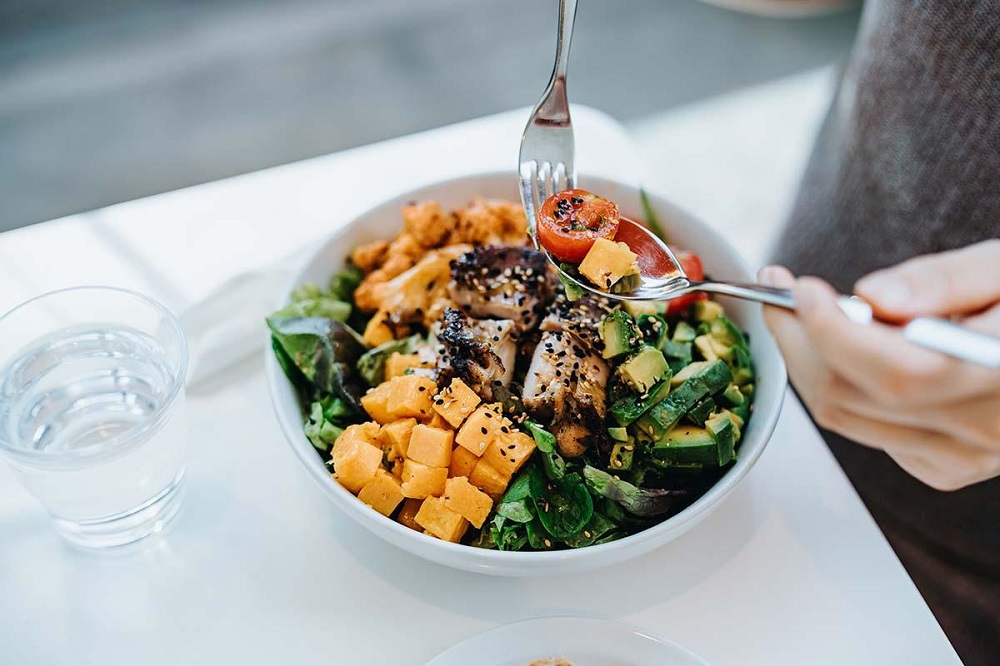
Eating well does not require sacrificing taste. With the right ingredients and simple techniques, nutritious meals can be deeply satisfying, colorful, and full of character. The recipes below focus on whole foods, balanced nutrition, and natural flavor layering so that each dish feels indulgent while supporting long-term wellness.
Why Flavor Matters in Healthy Cooking
Flavor is what makes a meal memorable and sustainable as part of daily eating habits. When healthy dishes are thoughtfully prepared, they naturally include:
- Fresh herbs and spices instead of excess salt
- Healthy fats such as olive oil, nuts, and seeds
- Seasonal vegetables for stronger taste and nutrients
- Balanced textures that keep meals interesting
- Natural sweetness from fruits instead of refined sugar
The recipes below follow these principles to deliver nourishment without compromise.
Avocado Chickpea Power Salad
This refreshing salad delivers plant-based protein, fiber, and heart-healthy fats while remaining light and satisfying.
Ingredients
- 1 cup boiled chickpeas
- 1 ripe avocado diced
- 1 small cucumber chopped
- Cherry tomatoes halved
- Fresh coriander leaves
- 1 tablespoon lemon juice
- 1 tablespoon olive oil
- Salt and black pepper to taste
Preparation Method
- Combine chickpeas, cucumber, tomatoes, and avocado in a bowl.
- Add lemon juice and olive oil.
- Sprinkle chopped coriander leaves.
- Toss gently and serve immediately.
Why It Works
Avocado adds creaminess without dairy, while chickpeas provide lasting energy. Lemon brightens the entire dish naturally.
Garlic Lemon Grilled Chicken with Vegetables
Lean protein paired with roasted vegetables creates a satisfying and balanced dinner option.
Ingredients
- 2 chicken breasts
- 2 tablespoons lemon juice
- 3 garlic cloves minced
- 1 tablespoon olive oil
- Mixed vegetables such as zucchini, carrots, and bell peppers
- Salt and pepper
Preparation Method
- Marinate chicken in lemon juice, garlic, olive oil, salt, and pepper.
- Let rest for 20 minutes.
- Grill chicken until fully cooked.
- Roast vegetables alongside with light seasoning.
- Serve together while warm.
Why It Works
Grilling enhances flavor naturally, reducing the need for heavy sauces or excess oil.
Spinach Oats Savory Breakfast Bowl
This savory version of oats transforms a classic breakfast ingredient into a nutrient-rich meal.
Ingredients
- 1 cup rolled oats
- 2 cups water
- 1 handful spinach leaves
- 1 teaspoon olive oil
- 1 garlic clove minced
- Salt and black pepper
Preparation Method
- Cook oats in water until soft.
- In another pan sauté garlic lightly.
- Add spinach and cook briefly.
- Mix spinach into cooked oats.
- Season and serve warm.
Why It Works
Spinach adds iron and freshness while oats provide sustained energy for the day.
Quinoa Vegetable Stir Bowl
Quinoa is a complete protein and works perfectly with sautéed vegetables.
Ingredients
- 1 cup cooked quinoa
- Bell peppers sliced
- Beans or peas
- Carrots chopped
- 1 teaspoon olive oil
- Ginger grated
- Salt and pepper
Preparation Method
- Heat olive oil in a pan.
- Add ginger and vegetables.
- Stir fry until tender yet crisp.
- Mix cooked quinoa into vegetables.
- Season and serve hot.
Why It Works
The texture contrast between fluffy quinoa and crisp vegetables creates a satisfying bite.
Banana Peanut Butter Energy Smoothie
Perfect for busy mornings or post-workout recovery, this smoothie delivers quick nourishment.
Ingredients
- 1 ripe banana
- 1 tablespoon peanut butter
- 1 cup milk or plant-based alternative
- 2 soaked almonds
- Ice cubes optional
Preparation Method
- Add all ingredients to a blender.
- Blend until smooth.
- Serve chilled.
Why It Works
Natural sweetness from banana removes the need for added sugar while peanut butter increases satiety.
Smart Tips to Keep Healthy Meals Flavorful
Maintaining taste while eating nutritious meals becomes easier with small adjustments:
- Roast vegetables instead of boiling whenever possible
- Use citrus juice to brighten dishes
- Add fresh herbs near the end of cooking
- Include healthy fats for better mouthfeel
- Balance textures between soft and crunchy elements
These simple strategies transform everyday meals into enjoyable experiences.
FAQ Section
1. Can healthy meals still feel filling without heavy ingredients
Yes. Including protein, fiber, and healthy fats ensures meals remain satisfying for longer periods.
2. What cooking method keeps nutrients intact the most
Steaming, sautéing lightly, and grilling help preserve nutrients while enhancing taste.
3. Are smoothies a good replacement for meals
Smoothies can replace meals if they include protein, healthy fats, and fiber-rich ingredients.
4. How can I reduce salt without losing flavor
Use herbs, garlic, ginger, lemon juice, and spices to enhance natural taste instead of relying on salt.
5. Is meal prepping helpful for maintaining healthy eating habits
Preparing ingredients in advance reduces reliance on processed foods and saves time during busy days.
6. Can healthy recipes work for family meals as well
Yes. Balanced recipes using whole ingredients appeal to both adults and children when seasoned properly.
7. What is the best way to add natural sweetness to recipes
Fresh fruits like bananas, dates, and apples provide sweetness along with nutrients and fiber.
