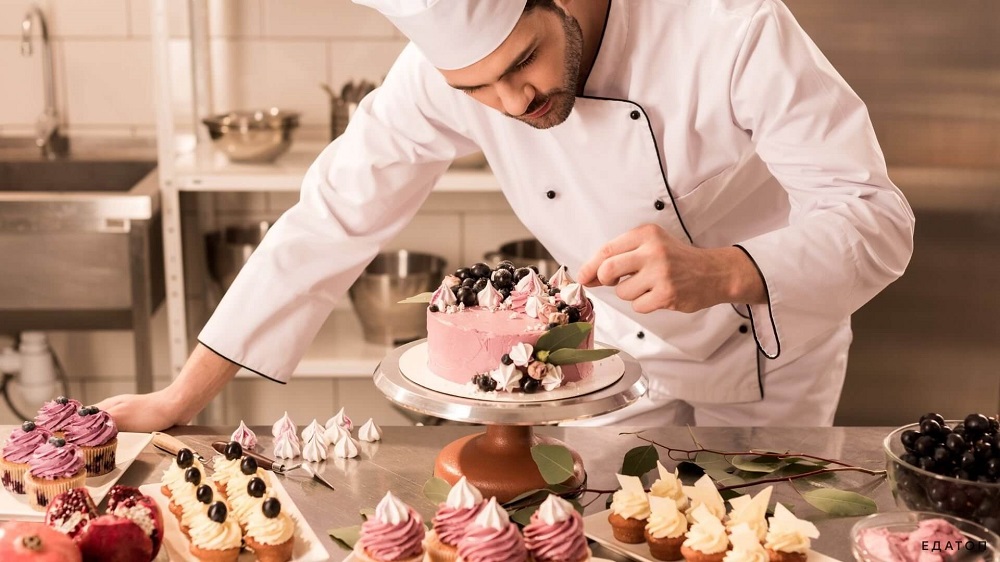
Creating flawless desserts is not just about following recipes. Professional pastry chefs rely on precision, timing, ingredient awareness, and refined techniques that elevate ordinary sweets into memorable creations. Whether working with delicate pastries or rich chocolate desserts, mastering foundational skills can dramatically improve consistency, texture, and presentation.
Below are essential pastry chef techniques that help produce bakery-quality desserts at home or in professional kitchens.
Mastering Ingredient Preparation
Successful desserts begin before mixing starts. Professional pastry chefs prioritize preparation because baking depends heavily on precision.
Key preparation practices include:
- Measuring ingredients using a digital scale rather than cups
- Bringing butter, eggs, and dairy to the correct temperature
- Sifting dry ingredients to prevent lumps
- Organizing tools before beginning
Temperature control is especially critical. Cold butter creates flaky pastry layers, while softened butter improves creaming for cakes and cookies.
Understanding the Science of Mixing Methods
Different desserts require specific mixing techniques to achieve the right structure.
Common professional mixing methods include:
Creaming method
Used for cookies and butter cakes. It incorporates air into butter and sugar for lighter textures.
Folding technique
Protects delicate batters like mousse and sponge cakes by preserving trapped air.
Whipping method
Used for egg whites and cream to create structure and volume.
Overmixing is one of the most common mistakes. It strengthens gluten and results in dense desserts instead of tender textures.
Laminating Dough for Flaky Pastries
Lamination is the technique behind croissants, puff pastry, and Danish pastries. It involves folding butter repeatedly into dough to create alternating layers.
To achieve perfect lamination:
- Keep butter cold but pliable
- Chill dough between folds
- Roll evenly to maintain layer structure
- Avoid pressing too hard during rolling
When baked, the butter releases steam that separates layers and creates the signature flaky texture.
Controlling Chocolate Tempering
Tempered chocolate has a glossy finish, clean snap, and smooth texture. Improper tempering leads to dull surfaces and streaking.
Professional tempering focuses on temperature accuracy:
- Melt chocolate slowly
- Cool to the correct crystallization range
- Reheat slightly for working consistency
Maintaining stable cocoa butter crystals ensures professional-quality chocolate decorations and coatings.
Perfecting Piping Techniques
Piping transforms desserts visually and structurally. It is used for decorating cakes, shaping éclairs, and forming macarons.
Improve piping precision by:
- Holding the piping bag at a consistent angle
- Applying steady pressure
- Practicing uniform spacing
- Selecting the correct piping tip
Consistency in movement produces symmetrical and professional-looking decorations.
Baking with Temperature Awareness
Professional pastry chefs treat ovens as controlled environments rather than simple appliances.
Key temperature strategies include:
- Preheating fully before baking
- Using an oven thermometer for accuracy
- Rotating trays for even browning
- Avoiding frequent door opening
Small temperature differences can affect rise, texture, and moisture retention.
Achieving Balance in Flavor and Texture
Great desserts combine contrast and harmony. Professionals carefully balance sweetness with complementary elements.
Examples include:
- Adding citrus to offset sweetness
- Incorporating salt to enhance chocolate flavor
- Pairing crunchy textures with creamy fillings
- Using spices to deepen complexity
Balanced desserts feel refined rather than overwhelming.
Plating Like a Professional Pastry Chef
Presentation influences how desserts are perceived before the first bite.
Professional plating techniques include:
- Using negative space on the plate
- Creating height with layered components
- Adding sauces in controlled patterns
- Garnishing with purpose rather than decoration alone
Thoughtful presentation transforms simple desserts into restaurant-quality creations.
Managing Moisture for Consistent Results
Moisture control determines whether pastries become crisp, soft, or soggy.
Professional moisture strategies include:
- Blind baking tart shells before filling
- Cooling baked goods on racks
- Storing pastries in breathable containers
- Adding stabilizers when needed
Managing humidity is especially important when working with sugar decorations and macarons.
Practicing Precision and Patience
Pastry work rewards accuracy and repetition. Unlike savory cooking, improvisation plays a smaller role.
Professionals succeed by:
- Following measurements precisely
- Recording adjustments
- Practicing shaping techniques regularly
- Learning from small mistakes
Consistency improves dramatically with structured practice.
FAQ Section
1. Why do professional pastry chefs prefer weighing ingredients instead of measuring cups?
Weight measurements provide greater accuracy and consistency, especially for flour and sugar, which compress differently depending on handling.
2. How can I tell if butter is at the correct temperature for baking?
Properly softened butter should hold its shape but indent easily when pressed with a finger.
3. What causes pastries to lose their crisp texture after baking?
Exposure to moisture in the air or improper storage often softens pastry layers.
4. Is it necessary to temper chocolate for home desserts?
Tempering is essential when making decorations, coatings, or candies that require shine and structure.
5. Why do macarons crack during baking?
Cracking usually results from insufficient resting time, incorrect oven temperature, or overmixed batter.
6. How can I improve cake layering for cleaner presentation?
Chilling cake layers before slicing helps create straight, even cuts and reduces crumbs.
7. What is the easiest professional technique beginners should learn first?
Mastering proper mixing methods provides the biggest improvement across multiple dessert types.
