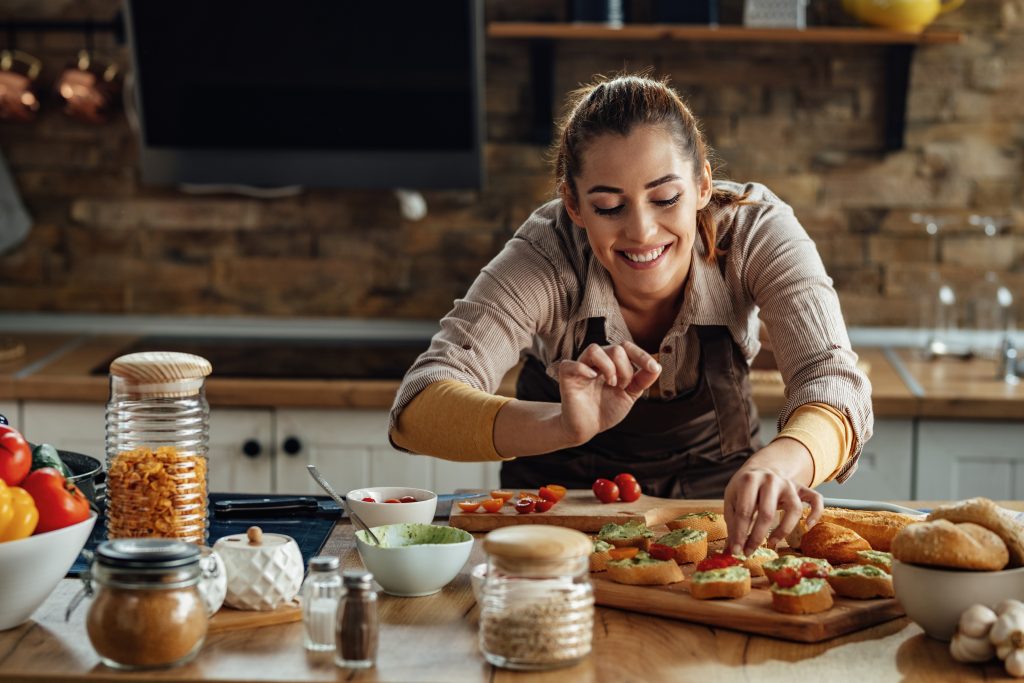
In recent years, homemade food has quietly returned to the center of everyday life. What once seemed like a fading habit in the age of fast food and convenience apps is now gaining strong momentum again. From busy professionals to young families and students, more people are rediscovering the value of cooking meals at home.
This shift is not simply about nostalgia. It reflects deeper changes in health awareness, lifestyle priorities, financial choices, and emotional well-being. Homemade food is no longer seen as a routine obligation. It is becoming a conscious lifestyle decision.
Rising Awareness About Health and Nutrition
One of the strongest reasons behind the comeback of homemade food is growing concern about personal health. People today are more aware of what they eat and how it affects their bodies.
When meals are prepared at home, individuals can control
- ingredient quality
- portion size
- oil and sugar levels
- hygiene standards
- freshness of produce
This level of control is difficult to achieve with restaurant or packaged food. As awareness about lifestyle diseases increases, homemade meals are increasingly viewed as a practical solution for maintaining long-term health.
The Impact of the Pandemic on Food Habits
The global pandemic changed everyday routines across the world, including eating habits. With restaurants closed and movement restricted, many people returned to their kitchens after years.
During this time, cooking became more than a necessity. It became
- a productive daily activity
- a stress-relieving routine
- a family bonding experience
- a creative outlet
Even after restrictions ended, many individuals continued cooking at home because they experienced its benefits firsthand.
Economic Advantages of Home Cooking
Rising living costs have encouraged households to rethink spending patterns. Eating out frequently can significantly increase monthly expenses.
Preparing meals at home offers clear financial benefits
- reduced food expenses
- fewer impulse purchases
- better use of leftovers
- improved grocery planning
Families that cook regularly often find they can maintain better budget control without compromising food quality.
Growing Interest in Traditional Recipes
Another important factor behind this trend is renewed appreciation for traditional food culture. Many people are returning to recipes passed down through generations.
Traditional meals are often
- nutritionally balanced
- ingredient focused
- seasonal
- locally sourced
Younger generations are now learning recipes from parents and grandparents, preserving culinary heritage while adapting dishes to modern tastes.
Social Media Is Encouraging Home Cooking
Digital platforms have played a surprising role in making home cooking popular again. Cooking tutorials, recipe videos, and nutrition tips are now easily accessible.
Social media has helped people
- learn cooking techniques quickly
- experiment with global cuisines
- share their food experiences
- stay motivated through online communities
Instead of making cooking look difficult, online content has made it approachable and enjoyable.
Homemade Food Supports Mental Well Being
Cooking at home can have a calming psychological effect. The process of preparing ingredients, following steps, and creating something meaningful brings a sense of accomplishment.
Many people report that home cooking helps
- reduce stress
- improve mood
- increase mindfulness
- strengthen family relationships
Meals prepared together often create lasting memories that go beyond nutrition.
Better Ingredient Transparency Builds Trust
Consumers today are increasingly cautious about processed food. Questions about preservatives, additives, and hidden sugars are becoming more common.
Homemade meals solve this concern naturally. When individuals prepare their own food, they know exactly what goes into each dish. This transparency builds confidence in everyday eating choices.
Sustainability Is Influencing Food Choices
Environmental awareness is also shaping food habits. Cooking at home often results in less packaging waste and more responsible ingredient usage.
People who cook regularly tend to
- choose seasonal produce
- reduce plastic packaging
- minimize food waste
- support local markets
These small decisions contribute to a more sustainable lifestyle.
Flexible Diet Preferences Are Easier to Follow at Home
Modern eating habits vary widely. Some people follow vegetarian diets, others prefer gluten free or low sugar meals. Homemade cooking allows individuals to customize meals according to their needs.
This flexibility makes it easier to maintain consistency with personal nutrition goals.
Homemade Food Strengthens Family Connections
Shared cooking experiences bring people closer together. In many households, preparing meals has become a collaborative activity again.
Children who participate in cooking often develop
- healthier eating habits
- practical life skills
- appreciation for ingredients
- stronger family engagement
These benefits extend far beyond the kitchen.
The Future of Home Cooking Looks Promising
The return of homemade food is not a temporary trend. It reflects a broader shift toward healthier living, mindful spending, and meaningful routines. As people continue seeking balance in fast paced lifestyles, home cooking is likely to remain an important part of daily life.
Its growing popularity shows that convenience is no longer the only priority. Quality, connection, and control over what we eat now matter just as much.
Frequently Asked Questions
Why are younger generations becoming interested in home cooking again
Younger people are becoming more health conscious and financially aware. Easy access to online recipes and cooking tutorials has also made learning to cook simpler than before.
Does homemade food always cost less than restaurant food
In most cases yes. Buying ingredients in bulk and preparing meals at home usually reduces overall food expenses compared to frequent dining out.
Is homemade food always healthier than outside food
Homemade food generally allows better control over ingredients, oil usage, and portion sizes, which often makes it a healthier choice.
How can beginners start cooking at home easily
Beginners can start with simple recipes that require fewer ingredients and basic techniques. Gradually increasing complexity helps build confidence over time.
Can home cooking save time for busy professionals
With proper meal planning and batch preparation, home cooking can actually reduce daily cooking time during busy workweeks.
Does cooking at home help children develop better eating habits
Yes. Children who participate in meal preparation are more likely to try new foods and develop balanced eating habits.
What are some simple ways to make home cooking more enjoyable
Listening to music while cooking, trying new recipes weekly, and involving family members in meal preparation can make the experience more enjoyable and consistent.
