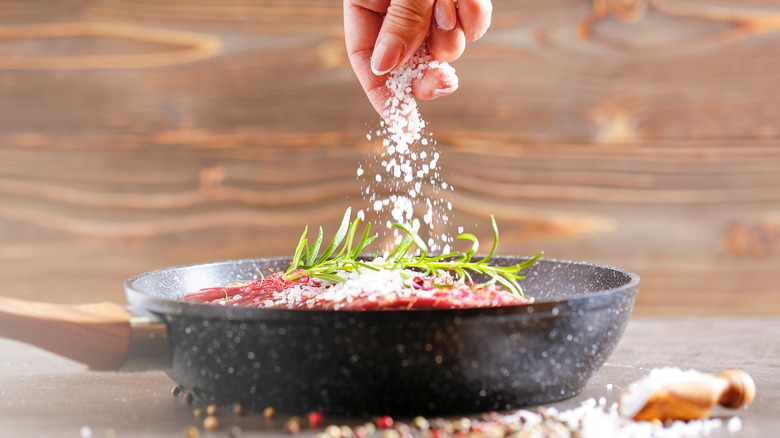
Cooking mistakes happen in every kitchen. Oversalting a dish or slightly burning it does not mean the meal is ruined. With a few practical techniques and calm adjustments, you can often restore balance, improve flavor, and still serve something satisfying. This guide explains reliable methods to rescue oversalted or burnt food without wasting ingredients or effort.
How to Fix Oversalted Food
Salt enhances flavor, but too much can overwhelm a dish quickly. The best correction depends on the type of food you are preparing.
Dilute the Dish
Dilution is the most effective and dependable method.
Try adding:
- Water
- Unsalted broth
- Milk or cream
- Tomato puree for gravies and sauces
Soups, curries, and stews respond especially well to dilution because their consistency allows easy adjustment.
Add Bulk Ingredients
Increasing the quantity of unsalted ingredients spreads the salt evenly.
Examples include:
- Boiled potatoes
- Cooked rice
- Pasta
- Beans
- Vegetables
These ingredients absorb flavor and reduce the intensity of salt without changing the dish dramatically.
Balance with Acidity
Acid helps neutralize the sharpness of excess salt.
Useful options:
- Lemon juice
- Vinegar
- Tamarind pulp
- Yogurt
Add small amounts gradually and taste after each addition.
Introduce Sweetness Carefully
A small amount of sweetness can soften saltiness.
Try:
- Sugar
- Honey
- Caramelized onions
Use restraint so the dish does not become sweet instead of balanced.
Add Dairy for Creamy Dishes
Dairy products reduce salt intensity effectively.
Good choices include:
- Cream
- Butter
- Milk
- Paneer
These work especially well in gravies, soups, and pasta sauces.
How to Fix Oversalted Dry Foods
Dry dishes require different handling since dilution is limited.
Add Unsalted Components
Mix in additional ingredients such as:
- Plain cooked rice
- Extra vegetables
- Boiled lentils
- Unsalted noodles
This spreads the salt across a larger volume.
Serve with Neutral Sides
Pairing helps balance the flavor on the plate.
Serve alongside:
- Chapati
- Plain rice
- Bread
- Yogurt
These reduce the perception of saltiness during eating.
Adjust the Final Seasoning
Sometimes a squeeze of lemon or a spoon of fresh yogurt at serving time improves balance noticeably.
How to Fix Burnt Food
Burning usually affects flavor through bitterness or smokiness. Quick action prevents the damage from spreading.
Transfer Immediately to a New Pan
If the bottom layer burns:
- Stop stirring
- Move the unburnt portion into another clean pot
Avoid scraping the bottom because that mixes bitterness into the entire dish.
Mask Mild Burnt Flavor
If the burning is light, adjust the flavor profile.
Helpful additions:
- Fresh herbs
- Garlic
- Ginger
- Lemon juice
- Cream or butter
These ingredients refresh the dish and reduce harsh notes.
Add Liquid to Reduce Bitterness
Adding moisture softens burnt taste in sauces and curries.
Try:
- Broth
- Milk
- Coconut milk
- Tomato puree
Simmer gently afterward to rebalance flavors.
Use Smoke Flavor Strategically
If the burnt taste is mild and slightly smoky, you can reshape the dish intentionally.
Examples:
- Add roasted spices
- Introduce grilled vegetables
- Finish with smoked paprika
This turns an accident into a deliberate flavor choice.
How to Fix Burnt Rice
Burnt rice is common but often salvageable.
Steps to follow:
- Remove the upper unburnt layer immediately
- Transfer it into another container
- Avoid scraping the bottom
- Place a slice of bread inside the container for a few minutes to absorb odor if needed
This keeps most of the rice usable.
When Food Cannot Be Saved
Some situations are difficult to recover.
Examples include:
- Strong burnt bitterness across the entire dish
- Extremely high salt concentration
- Charred oil flavor spreading through the food
In these cases, saving part of the dish by separating unaffected portions may still help reduce waste.
Practical Tips to Prevent Oversalting or Burning
Prevention saves time and ingredients.
Follow these habits:
- Add salt gradually in stages
- Taste frequently while cooking
- Use heavy-bottom cookware
- Control flame intensity
- Stir at proper intervals
- Avoid distractions during high-heat cooking
Consistent attention improves cooking accuracy over time.
FAQ Section
What is the fastest way to fix oversalted soup?
Adding water, unsalted broth, or milk immediately reduces salt concentration. Taste and adjust gradually until balanced.
Can potatoes really remove excess salt from food?
Potatoes help absorb some salt and dilute flavor slightly, especially in liquid dishes, but they work best when combined with other correction methods.
How do chefs fix oversalted gravy quickly?
They usually dilute with unsalted stock, add cream or butter, or increase the quantity of base ingredients like onions or tomatoes.
Is sugar the best solution for salty food?
Sugar helps balance saltiness but should be used sparingly. It works better alongside dilution or acidity rather than as the only fix.
How can I remove burnt smell from curry?
Transfer the curry to another pan without disturbing the bottom layer, then add fresh spices, herbs, or cream to soften the flavor.
Can burnt vegetables be reused?
Lightly burnt vegetables can be mixed with fresh ones or blended into sauces where bitterness becomes less noticeable.
Why does food burn even on low heat sometimes?
Burning can happen due to thin cookware, insufficient stirring, low moisture content, or leaving food unattended for too long.
